Fertility is often discussed in terms of hormones, cycles, and diagnoses—but clinical experience and emerging research consistently show that nutrition is a foundational driver of reproductive health. A holistic, person-centered approach to female infertility recognizes that nutritional status influences ovulation, hormone signaling, implantation, and overall reproductive resilience long before infertility becomes a clinical label.
Energy Availability and Ovulatory Function
Adequate energy intake is essential for normal ovulatory function. Chronic under-fueling—whether intentional or unintentional—can disrupt hypothalamic signaling, leading to irregular cycles, anovulation, or luteal phase defects. This is one of the most common and most overlooked contributors to unexplained infertility. Fertility is not supported by restrictive eating patterns; it thrives when the body perceives safety, nourishment, and metabolic stability. Restoring adequate energy availability is often one of the first and most impactful interventions in a fertility-focused nutrition plan.
Macronutrients and Egg Quality
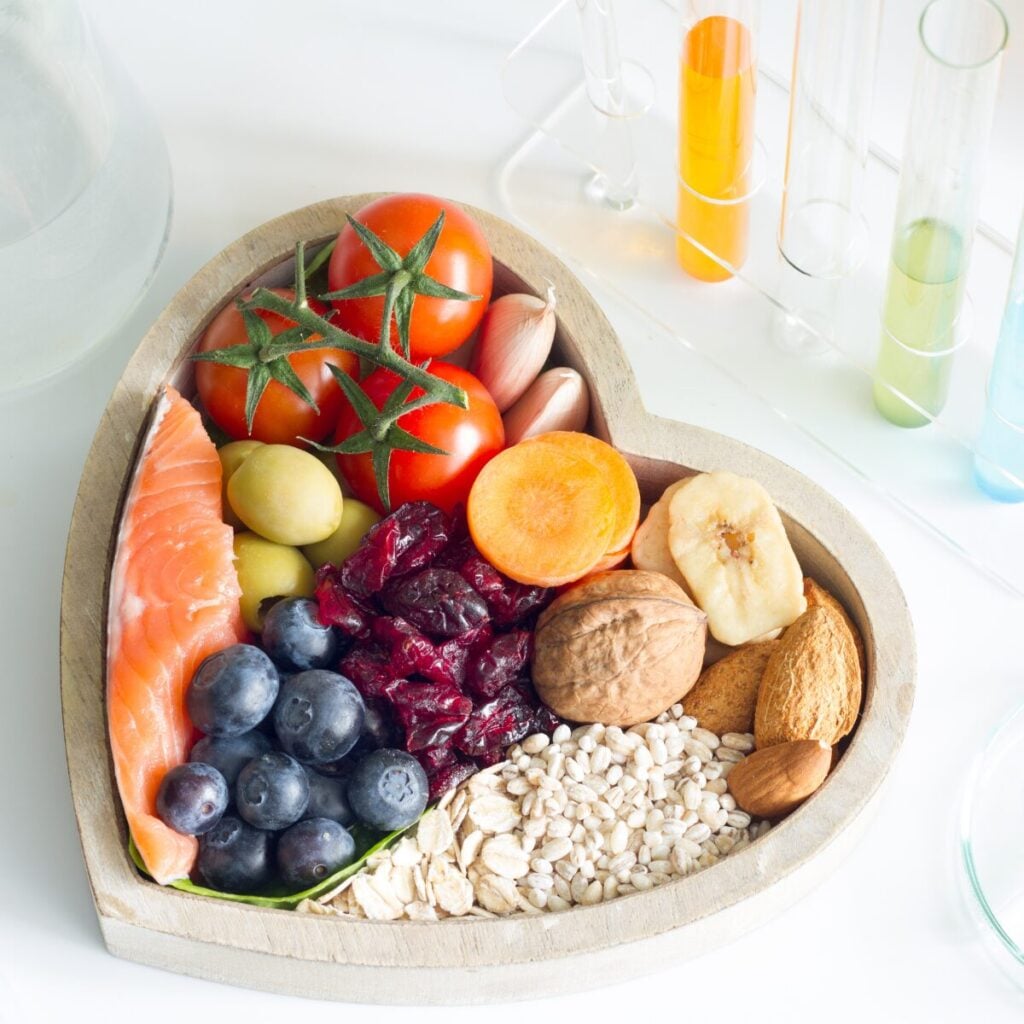
Balanced intake of protein, fats, and carbohydrates supports ovarian function and egg quality. Healthy fats are critical for steroid hormone production—including estrogen and progesterone—while sufficient protein supports follicular development and oocyte health. Extremely low-carbohydrate or fat-restricted diets may inadvertently impair fertility by altering insulin dynamics, disrupting hormone synthesis, and reducing the raw materials the body needs to build reproductive hormones.
Micronutrients That Support Conception
Key micronutrients—including iron, iodine, zinc, selenium, choline, vitamin D, and folate—play essential roles in ovulation, thyroid function, and early embryonic development. Subclinical deficiencies are common and often overlooked, particularly in individuals with dietary restrictions, gastrointestinal disorders, or high stress, all of which can quietly undermine fertility. A comprehensive fertility assessment includes evaluating nutrient sufficiency, not just caloric intake, since deficiencies can persist even in individuals who appear well-nourished.
Blood Sugar Regulation, Ovulation, and Implantation
Insulin resistance and chronic inflammation can directly interfere with ovulatory function and endometrial receptivity, making conception and implantation more difficult. Nutritional patterns that stabilize blood sugar—regular meals, fiber-rich foods, adequate protein, and healthy fats—support hormonal balance at every stage of the reproductive cycle. This approach is especially relevant for individuals with PCOS or unexplained infertility, where insulin dysregulation is frequently an underlying, unaddressed factor.
Gut Health, Estrogen Metabolism, and Fertility
Digestive health directly affects nutrient absorption, immune regulation, and estrogen metabolism—all of which are central to reproductive function. Dysbiosis, chronic gastrointestinal symptoms, or food intolerances can contribute to nutrient deficiencies, systemic inflammation, and impaired estrogen clearance, any of which may interfere with cycle regularity and implantation. Supporting gut health is an often-missed but critical component of fertility-focused nutrition care.
Moving Beyond “Perfect Diets”
A holistic fertility framework moves away from rigid food rules and toward individualized nourishment. Nutrition should reduce stress, not add to it—particularly given how closely stress and fertility are intertwined. Culturally appropriate, realistic, and sustainable dietary strategies are far more effective for supporting conception than prescriptive or restrictive plans, which can paradoxically add physiological and psychological stress to an already vulnerable process.
A Broader Clinical Perspective on Fertility
Nutrition is not a standalone solution to infertility—but it is a powerful, modifiable factor that shapes reproductive potential. When clinicians integrate nutritional assessment into comprehensive fertility care, they shift the focus from disease management to capacity building—supporting the body’s innate ability to conceive, sustain a pregnancy, and thrive.
As fertility care continues to evolve, nutrition must be recognized not as an adjunct, but as a central pillar of person-centered reproductive health.